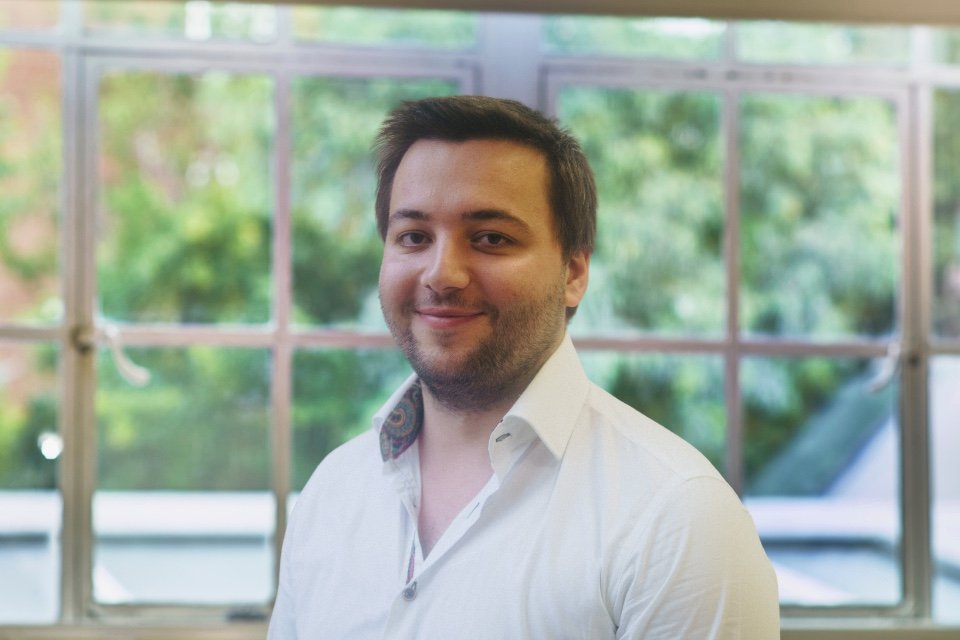


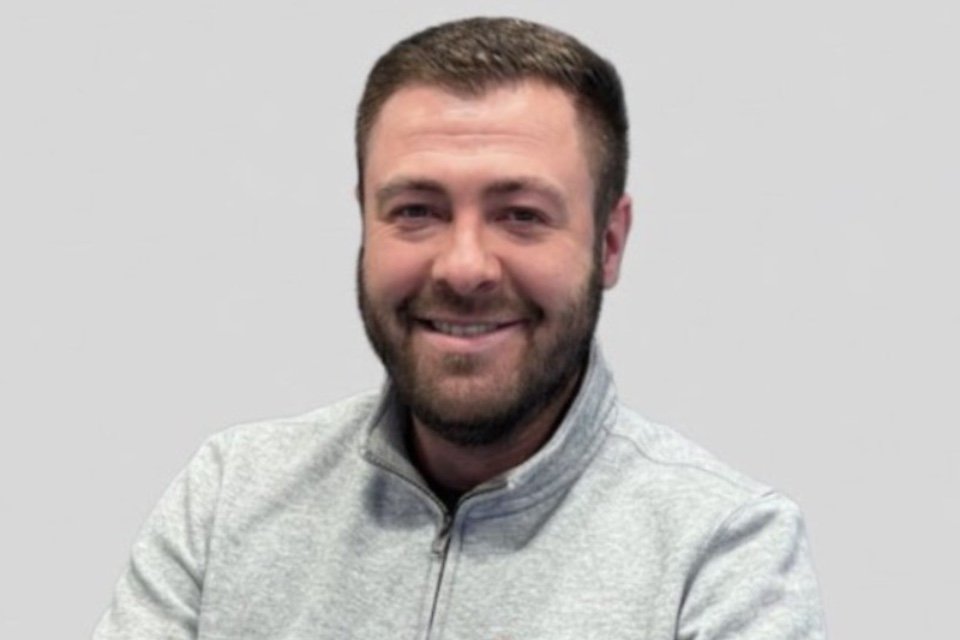
With AI, cloud platforms and automation creating more choice than ever for contact centres, identifying the right technology (and the right partner) can be as challenging as it is exciting. We caught up with Greg Garnett, Technology Director at Darwin Technology Solutions, to discuss what ‘fit’ really means when selecting new technology, why good procurement starts with understanding your requirements, and how contact centre leaders can look beyond impressive demos to make major investment decisions with confidence…
For readers who haven’t come across Darwin before, can you briefly introduce yourself and the business? Where does Darwin fit when an organisation is making a major technology decision?
I’m the Technology Director at Darwin. I’ve worked in technology for more than 15 years, starting as an apprentice on an IT service desk and progressing to my previous role as Head of Infrastructure and Cyber Security for a UK top 50 law firm.
My role at Darwin is to understand both the technology areas we work in and the environments our customers are operating in. I bring that experience into our process, acting as a strategic advisor alongside internal technology teams.
Ultimately, Darwin helps take away the time and effort involved in going to market. We help define what’s needed, assess the options and bring structure to the decision, so the customer can make the right call with confidence.
Contact centres have more technology choice than ever. What opportunities does that create, and why can it make choosing the right solution more difficult?
This is really the reason Darwin exists.
Finding the right technology and the right partner – culturally, commercially and technically – is difficult. There are a huge number of options in the market, and often several different ways of describing what is essentially the same capability. Add that to the fact that the person leading the project usually already has a full time job, and it can quickly become a minefield.
At the same time, it’s an incredibly exciting period for contact centres and technology teams. The growth of AI and the move from traditional contact centres to modern platforms creates a huge opportunity to improve customer journeys and drive efficiency.
The opportunity is massive, but so is the importance of doing the due diligence properly. The risk is rushing, narrowing the options too early or assuming that what you saw in a demo will work in exactly the same way in your own environment. That’s where Darwin helps bring structure and clarity.
“Features impress. Fit makes the difference.” What does the right fit actually look like for a contact centre?
A good demonstration can make almost any feature look impressive – and in most cases, the technology is there.
The important decision is whether the partner and the solution can deliver that capability in your world.
We see situations where a customer believes they are buying something based on a polished demo, but the reality is very different once you introduce their systems, processes, data and operating environment.
Our job is to get into the detail early. We help define the requirements, test what is being promised and build the evidence needed to make sure the customer gets the right fit for them – with the features they genuinely need and fewer surprises later on.
Before speaking to platforms or providers, what’s the most important thing a contact centre needs to understand about its own requirements?
For me, the first step is understanding what you actually need, what will genuinely add value and what is simply nice to have.
The market is becoming more complex, with lots of different ways of describing the same capability and plenty of variation in how licensing is structured. If you are not clear on your priorities, scope can grow very quickly and so can cost.
Being clear on your requirements from the start gives you a much stronger foundation.
That does not mean the brief can never change. You may discover a capability you had not considered that could save hours of manual work or change the way you think about the project. The important thing is to start with clarity, while staying open to better ideas as you learn more.
When two or three options all look strong on paper, what should ultimately determine the right choice?
We find that when a process reaches the final two or three partners, customers often have a genuinely difficult decision to make.
Our job is to bring everything together – the features, commercials and the journey we have been through – in a clear, easy to digest format. The customer then has the information they need in one place.
At that stage, part of the decision can come down to feel. It might be the partner who stood out early on, or the one who spent time in the contact centre, asked the right questions and showed they really understood the environment.
I’d like to think that if we have run the process properly, there should not be a bad choice left at that point. The final decision is always the customer’s. Our role is to make sure they have the evidence and clarity to make it confidently.
What evidence should a leadership team expect to see before approving a major technology investment?
They should be able to see that a thorough market assessment has been carried out, that the organisation’s requirements are being met and that the solution makes sense commercially.
Just as importantly, that information needs to be presented clearly.
Leadership teams should not have to work through pages of technical detail to understand whether the recommendation stacks up. They need a clear view of the process, the options considered, the reasons behind the recommendation and the commercial position.
That is a big part of what Darwin does: taking a complex process and turning it into something clear enough to support a confident decision.
You’ve made it to the bar at the Contact Centre Summit. What are you ordering?
Something I never thought I’d say: something 0%.
I’ve set myself a health and fitness goal after a very busy summer, and part of that is knocking the booze on the head for a while.
We’ll see how long it lasts.
If you weren’t working in technology, what do you think you’d be doing?
Probably something in construction.
I’ve always been interested in construction and civil engineering, and at one point I seriously considered going into it before I found my vocation in technology.
I still enjoy anything hands on and learning practical skills. This summer I laid a porcelain patio in my garden – much to my back’s dismay!