


Collecting customer feedback has arguably never been easier. Surveys, post-call ratings and digital feedback tools generate vast amounts of data. The real challenge is not gathering insight, it’s acting on it quickly, consistently and at scale. Organisations at the Contact Centre Summit are increasingly turning to automation to ‘close the loop’, i.e. transforming feedback into tangible improvements without adding operational burden…
Customer feedback has historically been reviewed retrospectively, often leading to delayed or inconsistent responses. Today, leading contact centres are embedding automated workflows that trigger actions as soon as feedback is received.
For example, a low satisfaction score can automatically generate a follow-up task, escalate a case to a supervisor or trigger a proactive outreach to the customer. Positive feedback can be routed into recognition programmes or used to identify best practice.
This shift enables organisations to move from reactive reporting to real-time service recovery and improvement.
Reducing manual workload
Automation also helps address one of the biggest barriers to effective feedback management: capacity. Manually reviewing and responding to feedback at scale is resource-intensive.
By automating triage, prioritisation and routing, contact centres can ensure that high-risk or high-value interactions receive attention, while routine feedback is managed efficiently. This allows teams to focus their efforts where they can have the greatest impact.
Embedding feedback into operations
Closing the loop is not just about responding to individual cases, it’s about feeding insights back into wider operations. Automated systems can identify recurring issues, flag process gaps and highlight training needs. This enables continuous improvement across customer journeys, rather than isolated fixes.
Integration with CRM, workforce management and knowledge systems is key to ensuring insights are shared and acted upon across the organisation.
Practical implementation framework
To successfully automate feedback-to-action processes, contact centre leaders should focus on:
- Define clear triggers and thresholds
Establish what constitutes a critical issue (e.g. low CSAT, negative sentiment) and what actions should follow. - Automate triage and routing
Use rules or AI to prioritise feedback and assign it to the right teams or individuals. - Standardise response workflows
Create consistent processes for follow-up, escalation and resolution to ensure quality and compliance. - Integrate systems and data
Connect feedback platforms with CRM, case management and operational systems to enable seamless action. - Monitor and refine performance
Track response times, resolution rates and impact on satisfaction to continuously improve processes. - Balance automation with human oversight
Ensure complex or sensitive cases are reviewed by experienced staff, maintaining empathy and judgment.
Turning feedback into a competitive advantage
In an environment where customer expectations are high and switching costs are low, the ability to act on feedback quickly is a key differentiator.
By combining automation with clear processes and human insight, contact centres can close the loop effectively at scale, turning customer feedback from a passive metric into an active driver of performance and loyalty.
Are you searching for Automated Customer Satisfaction solutions for your organisation? The Contact Centre & Customer Services Summit can help!
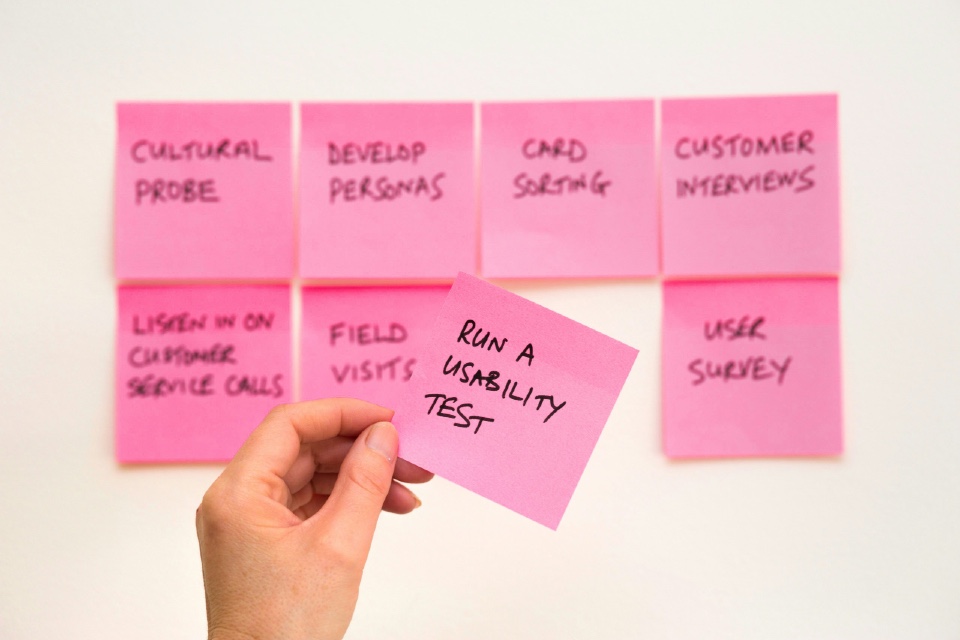
Photo by Shubham Dhage on Unsplash