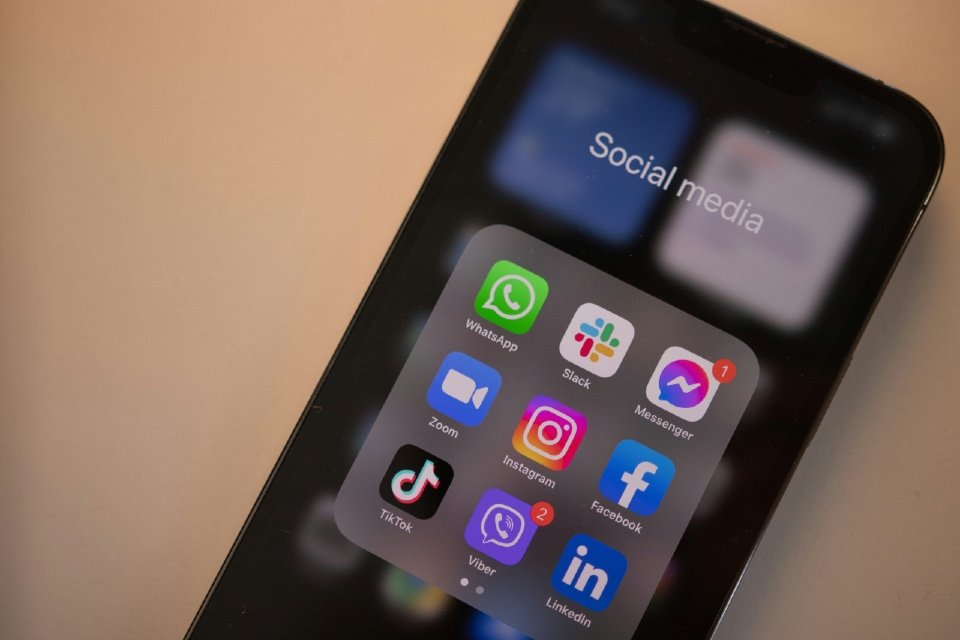



A customer complaint no longer needs to reach a national newspaper to become a reputational crisis. In the social media era, a single post on X, TikTok or LinkedIn can escalate rapidly within hours, placing significant pressure on contact centres and customer experience teams to respond quickly, consistently and transparently. For many organisations at the across both the public and private sectors at the Contact Centre Summit, this is forcing a rethink of traditional complaint management and escalation strategies…
Customer complaints followed relatively structured routes through email, phone or formal correspondence channels. Social media has fundamentally changed that dynamic. Complaints are now public, immediate and often amplified by wider online communities before organisations have fully assessed the issue internally.
This creates a major operational challenge for contact centres, particularly when social engagement is still managed separately from core CX functions. In many organisations, social teams sit within marketing or communications departments, while operational service teams manage customer resolution elsewhere. During high-profile incidents, that disconnect can quickly become problematic.
As a result, organisations are increasingly moving towards integrated social escalation models that bring together customer service, communications, legal and operational teams under a more unified governance structure.
One of the most significant trends emerging is the use of real-time social listening platforms. Rather than relying solely on direct customer messages, organisations are investing in tools that monitor sentiment shifts, keyword spikes and emerging reputational risks across multiple channels. This allows CX leaders to identify potential issues before they escalate into wider public criticism.
However, technology alone is not enough. Many viral complaint situations are exacerbated by inconsistent responses, delayed approvals or uncertainty around ownership. Effective crisis response increasingly depends on clearly defined escalation frameworks that determine:
- when social complaints should be prioritised;
- who has authority to approve responses;
- how operational teams feed information into customer-facing channels; and
- when issues should escalate to senior leadership or PR teams.
Out-of-hours monitoring is becoming another critical consideration. Social media does not operate on business hours, and customers increasingly expect rapid acknowledgement regardless of when issues arise.
For public sector organisations and regulated industries in particular, failure to respond appropriately can quickly damage public trust.
At the same time, organisations must balance speed with accuracy and governance. Rushed or poorly judged responses can intensify criticism rather than resolve it. This is especially relevant as AI-powered response tools become more widely adopted within social customer service environments. While automation can help triage and prioritise issues, human oversight remains essential during sensitive or high-risk incidents.
Looking ahead, the organisations most likely to manage social crises successfully will be those that treat social media as a core operational component of customer experience strategy.
In an environment where reputational damage can spread within minutes, social escalation preparedness is increasingly becoming a board-level CX concern rather than a frontline customer service issue alone.
Are you searching for Social Media solutions for your organisation? The Contact Centre & Customer Services Summit can help!
Photo by Berke Citak on Unsplash