


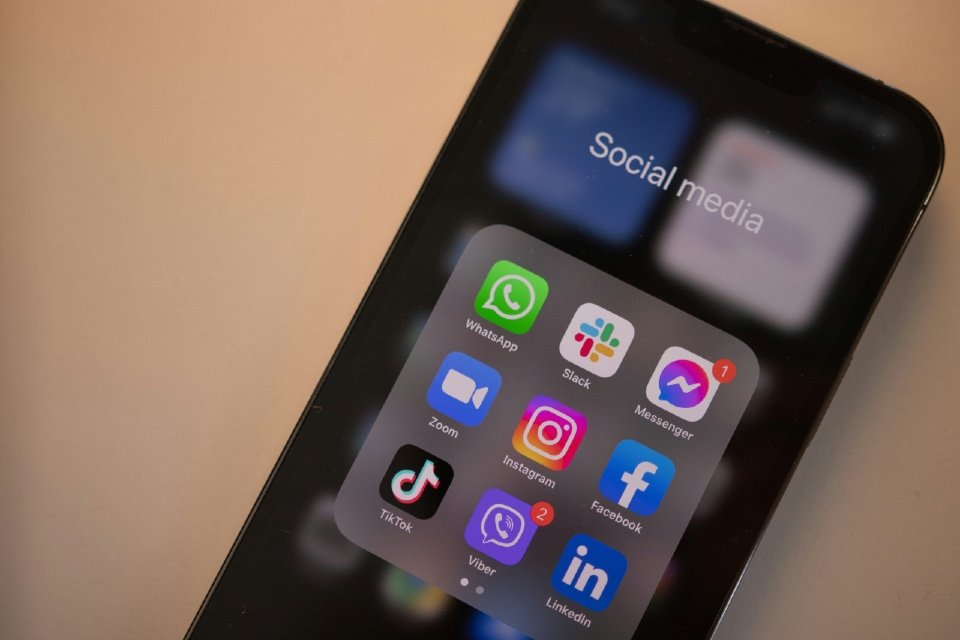
Historically, social customer service has often been evaluated using traditional contact centre metrics such as response times and ticket closure rates. While these measures still matter, they no longer provide a complete picture of customer satisfaction or reputational impact in highly visible digital environments…
Unlike private customer interactions, social media engagement takes place in public. Responses are visible not only to the individual customer, but also to wider audiences that may judge brands based on how effectively issues are handled.
As a result, organisations are increasingly focusing on broader experience, sentiment and trust-based metrics.
Response Speed Still Matters, But It Is Only One Part of the Picture
Fast response times remain important, particularly as customers increasingly expect near real-time engagement on platforms such as X, Facebook, Instagram and LinkedIn.
However, speed alone does not guarantee positive outcomes.
Poorly handled responses, unresolved complaints or overly automated interactions can damage customer trust even if initial response targets are met. Many organisations are therefore shifting attention towards measuring resolution quality and customer perception rather than simply operational efficiency.
For example, some contact centres are now analysing:
- customer sentiment before and after engagement;
- escalation outcomes;
- repeat complaint volumes;
- public engagement reactions; and
- overall resolution satisfaction.
This allows organisations to assess whether social interactions are genuinely improving customer experience or simply closing tickets quickly.
Sentiment Analysis and Social Listening Are Becoming More Strategic
Social listening and sentiment analytics platforms are playing a growing role in customer experience measurement.
Modern platforms can monitor:
- brand mentions;
- customer frustration indicators;
- trending complaints;
- influencer engagement; and
- wider audience reaction to service issues.
This provides contact centre and CX leaders with broader visibility into how customer service performance affects brand reputation.
AI-driven analytics tools are also increasingly being used to identify patterns in customer behaviour and detect emerging operational issues before they escalate more widely.
For organisations managing high interaction volumes, this can help prioritise resources and improve incident response planning.
Linking Social Media Insight to Wider Operational Performance
Another growing trend is the integration of social media analytics into wider operational reporting.
Many organisations now recognise that social complaints often highlight broader business problems involving:
- delivery performance;
- payment issues;
- product quality;
- website functionality; or
- service availability.
As a result, social customer service teams are increasingly feeding insight directly into operations, logistics, fraud prevention and product development functions.
This is helping organisations move beyond reactive complaint handling towards more proactive operational improvement strategies.
Choosing Analytics and Reporting Solutions Carefully
Technology selection is becoming increasingly important as reporting requirements grow more sophisticated.
Contact centre leaders are increasingly prioritising platforms that offer:
- real-time sentiment analysis;
- omnichannel reporting;
- AI-driven trend identification;
- CRM and contact centre integration;
- escalation tracking capabilities; and
- customisable dashboards and KPI reporting.
Scalability and interoperability are becoming especially important for organisations managing multiple brands or large customer service operations.
KPI Framework for Social Media Customer Experience
When measuring social customer service performance, organisations should consider tracking:
- Average response and resolution times
- Customer sentiment improvement
- First-contact resolution rates
- Escalation frequency and outcomes
- Repeat complaint trends
- Public engagement and reputational impact
- Customer satisfaction scores (CSAT)
- Agent productivity and workload balance
- Complaint root cause analysis
- Channel-specific performance trends
Social Customer Experience Is Becoming a Strategic Business Metric
Social media customer service is likely to become even more closely tied to overall brand reputation and customer loyalty.
As digital engagement continues to evolve, organisations will increasingly need customer experience measurement frameworks that capture not just operational performance, but also trust, sentiment and long-term customer perception.
For contact centre leaders, the challenge is understanding how those interactions influence wider business outcomes and customer relationships over time.
Are you searching for Social Media solutions for your organisation? The Contact Centre & Customer Services Summit can help!
Photo by dlxmedia.hu on Unsplash